Soft Washing vs Pressure Washing: What’s the Difference?
Soft Washing vs Pressure Washing: What's the Difference?
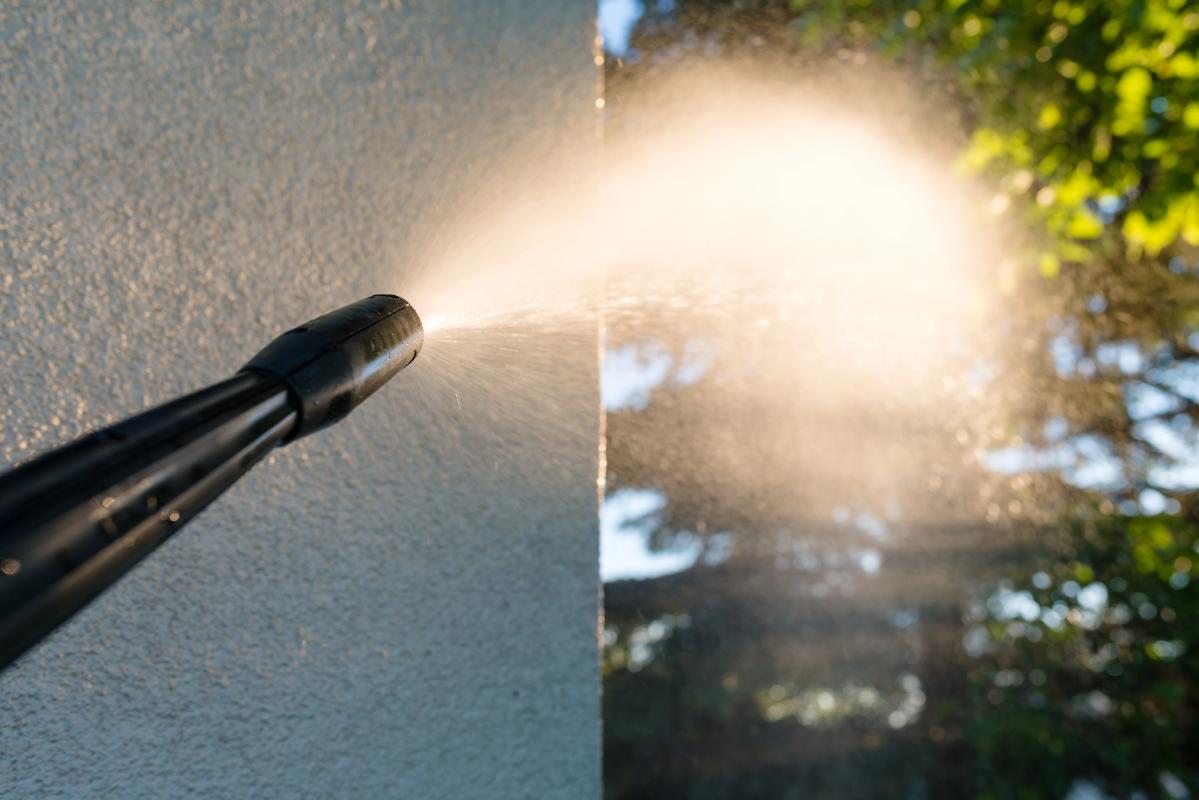
When it comes to cleaning the exterior of your home, not all methods are the same. Many homeowners use the terms soft washing and pressure washing interchangeably, but these two techniques are designed for very different purposes. Choosing the wrong method can lead to poor results or even damage to your property, especially when dealing with more delicate surfaces.
Understanding the difference between soft washing and pressure washing helps you make informed decisions about maintaining your home. Each method plays a specific role in exterior cleaning, and knowing when to use one over the other ensures your surfaces are cleaned effectively while staying protected over time.
What Is Pressure Washing?
Pressure washing uses high-powered water to remove dirt, grime, oil, and other buildup from durable surfaces. The force of the water is strong enough to break apart stubborn debris that has settled into porous materials like concrete or stone. Because of this, pressure washing is often the go-to solution for heavily soiled areas.
This method is most effective on surfaces that can withstand strong pressure without being damaged. When used correctly, it can quickly restore the appearance of areas that have been neglected or exposed to heavy use over time.
- Concrete driveways and sidewalks
- Stone patios and walkways
- Garage floors and entryways
- Heavily soiled outdoor surfaces
While pressure washing is highly effective, it must be handled carefully. Too much pressure can cause etching in concrete, splintering wood, or force water into areas behind siding. This is why proper technique and equipment settings are essential when using this method.
What Is Soft Washing?
Soft washing takes a different approach by relying on low-pressure water combined with specialized cleaning solutions. Instead of blasting away buildup, the solution breaks down organic growth at its source, allowing it to be gently rinsed away without damaging the surface.
This method is designed for materials that require a more controlled cleaning process. It is particularly useful for areas where high pressure would cause harm or reduce the lifespan of the surface.
- Vinyl and painted siding
- Roof shingles and tiles
- Stucco and delicate exterior finishes
- Fences and certain types of decking
Because soft washing targets the root cause of stains like algae and mold, it often delivers longer-lasting results. Rather than just removing what you see on the surface, it helps prevent rapid regrowth and keeps your home looking cleaner for a longer period of time.
Key Differences Between Soft Washing and Pressure Washing
The most important difference between these two methods is how they clean. Pressure washing relies on force, while soft washing relies on cleaning solutions and controlled application. This distinction affects both the results you get and the types of surfaces that can be safely cleaned.
Pressure washing is best suited for surfaces that need aggressive cleaning. Soft washing is better for surfaces that require a gentler approach. Using the wrong method can either leave buildup behind or cause unnecessary wear.
- Cleaning method: High pressure vs low pressure with solutions
- Best surfaces: Hard materials vs delicate materials
- Effectiveness on organic growth: Surface removal vs deep treatment
- Risk level: Higher risk vs controlled and safer approach
Understanding these differences helps you avoid common mistakes and ensures each part of your home is cleaned using the most appropriate technique.
When to Use Each Method Around Your Home
Choosing between soft washing and pressure washing depends on the specific surface you are cleaning. Hard, durable areas typically benefit from pressure washing, while more sensitive materials require the gentler approach of soft washing. Matching the method to the surface is the key to getting consistent results without causing damage.
For example, a driveway covered in oil stains and dirt will respond well to pressure washing because of the strength needed to break up that buildup. On the other hand, siding or roofing materials should be treated with soft washing to avoid stripping finishes or forcing water into unwanted areas.
In many cases, a complete exterior cleaning project will involve both methods. Combining the two allows each surface to be cleaned in the most effective and safe way possible.
Why Choosing the Right Method Matters
Using the wrong cleaning method can create more problems than it solves. High pressure applied to delicate surfaces can strip paint, loosen siding, or cause water intrusion that leads to hidden damage. At the same time, using a low-pressure method on heavily soiled concrete may not fully remove deep stains or buildup.
The right approach not only improves the appearance of your home but also helps extend the life of your exterior materials. Proper cleaning reduces wear, prevents premature deterioration, and keeps your home looking well-maintained throughout the year.
When you are unsure which method is best, working with professionals who understand these differences ensures your property is treated correctly from the start. If you are planning exterior cleaning, services like house washing typically rely on soft washing to safely clean siding while preserving its condition.
How Professional Exterior Cleaning Uses Both Methods
A professional approach to exterior cleaning often involves combining both soft washing and pressure washing. Rather than relying on a single method, each surface is evaluated and cleaned using the technique that delivers the best result without introducing unnecessary risk.
This process allows for a more complete and consistent clean across the entire property. Hard surfaces can be restored with pressure washing, while delicate areas are treated with soft washing to remove buildup safely and effectively.
Many homeowners find that regular power washing as part of a broader maintenance plan helps keep all exterior surfaces in better condition while reducing the need for more aggressive cleaning later on.
Making the Right Choice for Your Home
Understanding the difference between soft washing and pressure washing gives you the ability to make smarter decisions about your home's care. Each method serves a specific purpose, and using them correctly helps maintain both the appearance and structural integrity of your property.
Incorporating the right cleaning methods into your routine maintenance plan ensures that buildup is addressed before it becomes a larger issue. It also helps you avoid unnecessary damage that can result from using the wrong technique.
Choosing the right approach to exterior cleaning is one of the most effective ways to protect your home, improve its appearance, and maintain its value over time while avoiding preventable damage.
Bringing you the best exterior cleaning services
Professional Cleaning Services
We provide a full range of exterior cleaning services designed to improve both the appearance and condition of your property. Each service is performed using the proper techniques to ensure effective results while protecting your surfaces. Our goal is to deliver consistent, noticeable improvements that help your home or business look well-maintained throughout the year.
House Washing
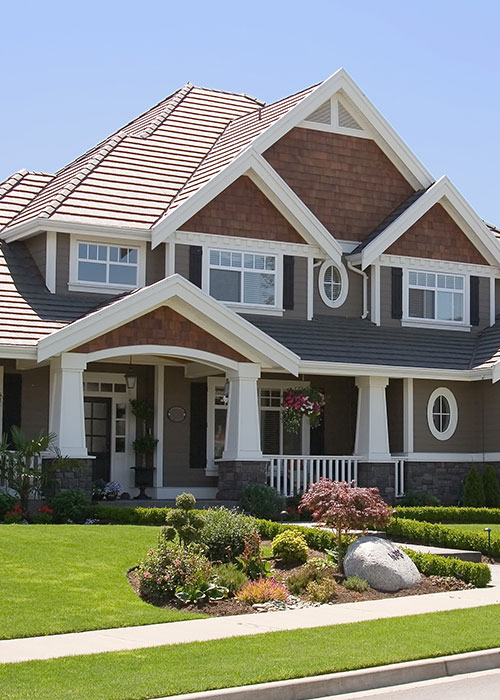
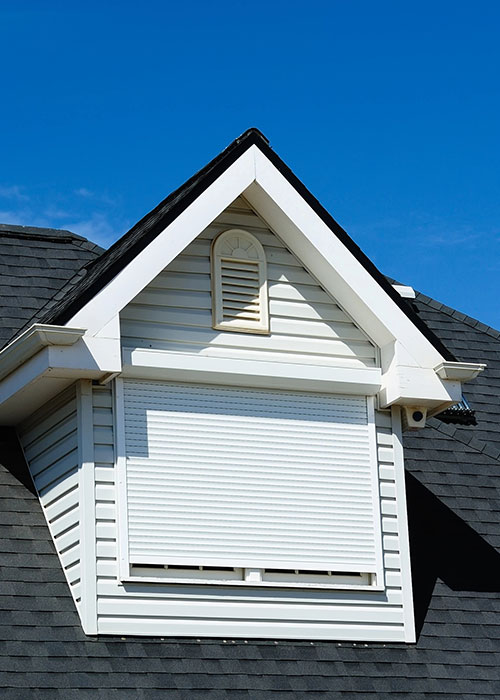
House washing is one of the most important services for maintaining your home's exterior. Over time, siding collects dirt, algae, and environmental contaminants that affect both appearance and durability. Our soft washing process is designed to safely remove buildup without using excessive pressure, helping protect your home while delivering a noticeable improvement. By addressing these issues early, we help extend the life of your siding and keep your home looking consistently well-maintained.
Window Cleaning
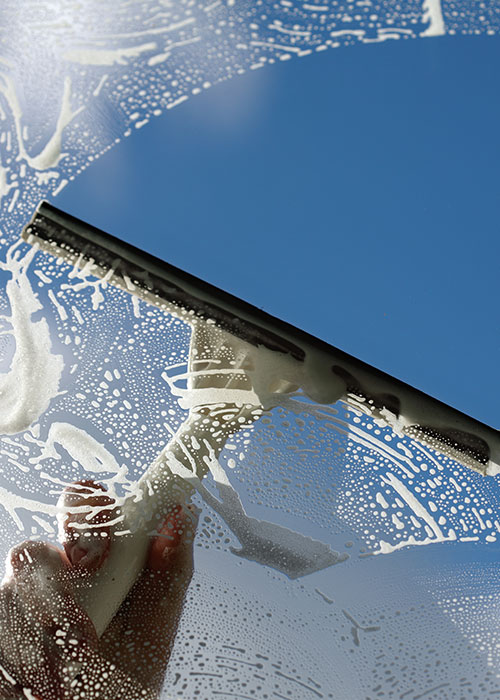
Window cleaning plays a major role in improving both the look and feel of your home. Dirty or streaked glass can reduce natural light and make your property appear less cared for from the outside. Our professional cleaning process removes buildup, smudges, and residue to restore clarity and brightness. With attention to detail and a focus on streak-free results, we help create a cleaner, more polished appearance throughout your home.
Roof Cleaning
Roof cleaning is essential for removing algae, moss, and debris that can shorten the lifespan of your roofing materials. Our soft washing approach targets organic growth at its source, allowing for a deep clean without damaging shingles or other surfaces. This not only improves the appearance of your roof but also helps prevent long-term issues caused by buildup. Maintaining a clean roof is an important part of protecting your overall investment.
Commercial Cleaning
Commercial cleaning services are designed to help businesses maintain a clean and professional exterior. A well-maintained property creates a strong first impression and reflects positively on your brand. We provide reliable exterior cleaning solutions tailored to the needs of each commercial property, from storefronts to larger buildings. Our team works efficiently to deliver consistent results while minimizing disruption to your operations.
How Can We Help?